
Turning Audience Intelligence into an Evergreen Campaign: University of Arizona

TL;DR
- Client: University of Arizona
- Problem: A critical campus-wide safety communications initiative needed to reach diverse student population, but the university didn’t know what students actually knew, cared about, or how they wanted to hear from the university about this topic. Even if they gathered insights on their own, they'd still need to figure out how to turn research into actual campaigns.
- Solution: Built and ran a 5-segment research panel, then turned findings into a complete evergreen campaign with everything needed to execute - templates, calendars, assets, playbooks.
- Shift: From guessing what audiences need to knowing what they need, then building the system to deliver it semester after semester without starting over.
- Impact: Research showing what five different audiences actually want, a strategic direction grounded in their actual behaviors, and a complete campaign system that teams could use immediately and adapt ongoing.
The Challenge
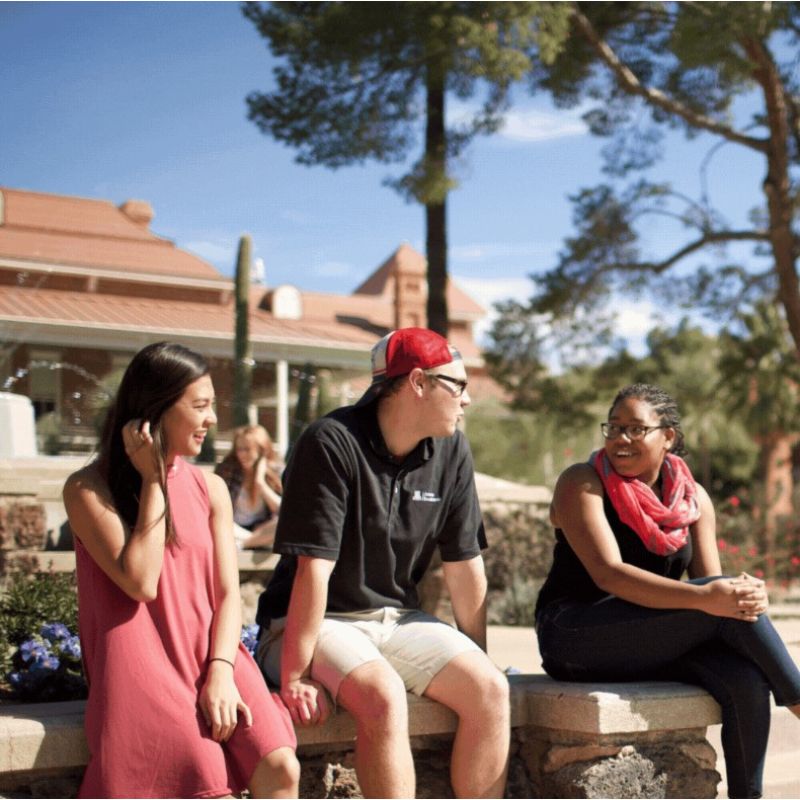
The University of Arizona needed to launch a campus-wide communications campaign about on-campus safety protocols and resources reaching students, faculty, parents, staff, and administrators - but didn’t have any baseline data on what any of these groups knew, how they wanted to hear from the university, or which messages would actually land.
But here's the bigger problem: even if they ran research, what then? Research reports sit on shelves. Insights don't automatically become content calendars or give teams the assets they need to execute.
The university needed both the intelligence AND the complete system to actually use that intelligence across a decentralized campus - not just once, but semester after semester without rebuilding everything each time.
The struggle:
- No data on what different campus groups actually knew or needed
- Unclear which messages would work with which audiences
- No idea how students, faculty, parents preferred to get information
- Risk of generic campus communications missing everyone
- No way to coordinate messages across different departments
- No system for creating consistent messaging campus-wide
- Teams starting from scratch every semester
- Even if they got insights, no clear path from "what we learned" to "what we do about it"
They needed research that didn't end with "here's what we found" - they needed it to end with "here's exactly what to do with what we found."
The Shift
What made this work worth doing: The university needed the full journey - gather intelligence through research, translate it into strategy, then build the complete campaign system teams could actually use immediately and keep using.
The belief that had to change: "We need research to inform our strategy" → "We need research turned into everything we need to execute - the messages, the templates, the calendars, the assets."
The barriers they faced: Five different audiences with different needs. Sensitive subject matter requiring careful messaging. A decentralized campus where different departments needed to execute without creating bottlenecks. And the gap most organizations hit: how do you go from insights to execution without reinventing everything each semester?
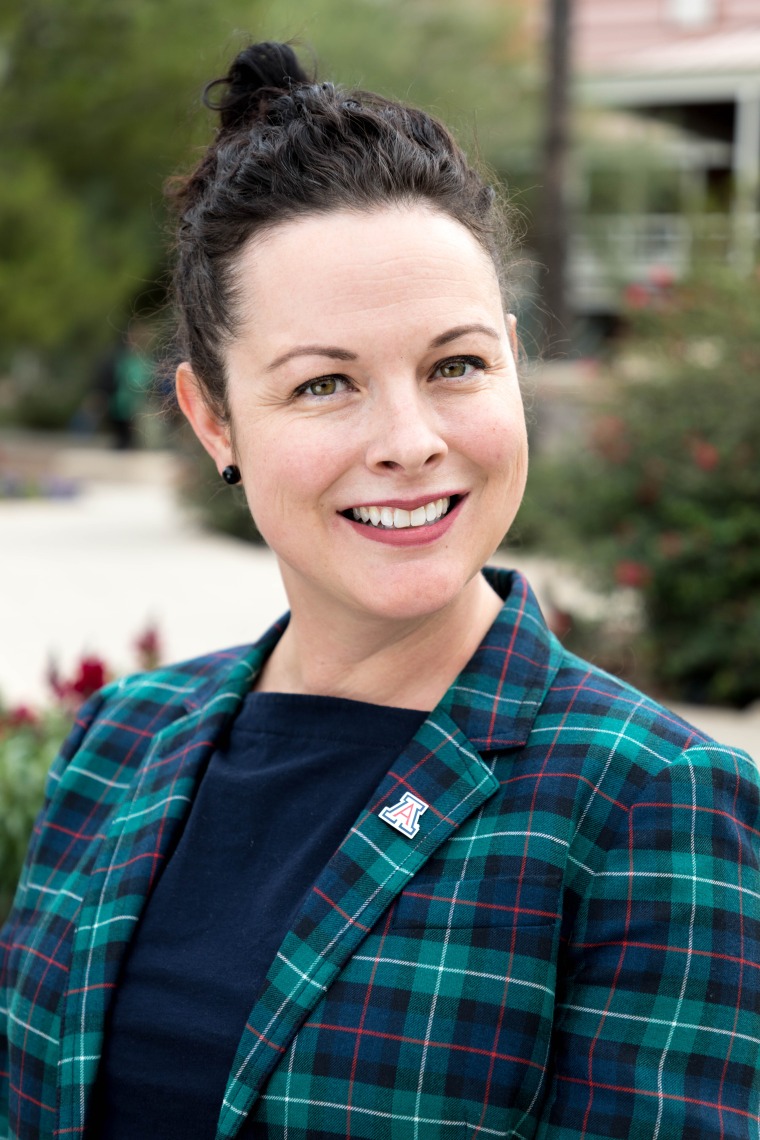
jenna Rutschman
Executive Director, Campus Marketing Strategy
University of Arizona
In my role at central marketing within U of A, [Sunny's] been invaluable, offering workshops, counsel, and working collaboratively on numerous initiatives. [She's] easy to work with, fun, intelligent, and forward-thinking. I trust them to deliver beyond expectations, on time, and within budget. Their transparency and proactive communication ensure any potential issues are addressed promptly.
The Work
This wasn't "research project, then good luck executing." This was research turned into a complete multi-channel evergreen campaign system.
Phase 1: Built and Ran Multi-Segment Research
- Designed the research panel
Built a research panel covering five campus audiences: current students, graduate students, faculty, administrative staff, and parents. Designed it to capture both hard data (what do they know, where do they get information, what channels do they use) and softer insights (what resonates emotionally, who do they trust, what makes them pay attention). - Ran virtual focus groups
Conducted virtual focus groups with each segment asking critical questions about awareness, current knowledge, how they prefer to receive information, and which early messages resonated versus fell flat. The subject matter had the potential to be highly emotional for many people, so we had to be sensitive while still getting actionable data. - Gathered baseline intelligence and quantified qualitative responses
Research showed what each group actually knew (versus what the university assumed they knew), which messages landed, which channels they actually used, and who they trusted. Every insight captured specifically to inform what to create and how to create it - not just "interesting findings."
Phase 2: Turned Intelligence into Strategy
- Built personas teams could actually use
Created personas based on mindsets and behaviors, not just demographics. But these weren't abstract profiles - each one included exactly what content they needed, which channels they used, who they trusted, and what stage of understanding they were at. Teams could look at a persona and know exactly what to create for them. - Mapped journeys to content needs
Showed how each persona moved from awareness to understanding to action. Then translated that into concrete specifications: what information to deliver at each stage, through which channels, and in what tone. Journey maps became content briefs teams could execute against immediately. - Created channel playbooks
Built strategies for Facebook, Instagram, X, LinkedIn, YouTube Shorts - but didn't stop at "students use Instagram." Created execution playbooks: which personas use each platform, what formats work, how often to post, how to adapt messaging while staying consistent, and what success looks like. Teams could start posting immediately without guessing.
Phase 3: Built a Complete Multi-Channel Campaign System
This is where research becomes something teams can actually use.
- Evergreen content calendar
Created messaging calendar mapped to campaign goals and audience needs - but designed as an evergreen system. The structure works semester after semester with updates, not rebuilds. Themes, messaging angles, and content types are defined for ongoing use. Every piece of content is aligned with specific audience needs.
Not "here's the fall semester's plan" - this was infrastructure for consistent communications ongoing.
Production-ready asset library
Working with an agency partner, created assets teams could use immediately:
- Copy templates for each audience and channel combination
- Graphics library (icons, animated GIFs, video overlays, social templates)
- Design system allowing customization while keeping things consistent
- Everything built to adapt - teams could update with new information while keeping the proven structure
These weren't examples to inspire teams - these were deployment-ready assets they could use today and update tomorrow.
Influencer activation playbooks
Identified influential voices for each audience (peer students, orientation leaders, campus organizations, faculty, parents) - then built complete activation plans: how to recruit them, what to tell them, what content they should create, how to amplify it, how to know if it's working. "Students trust peers" became "here's exactly how to recruit and activate peer influencers."
Production system for ongoing execution
Built the process: who creates what content for which audiences, how it gets reviewed and approved, and how to maintain quality across decentralized departments. This meant consistent execution without everything funneling through one bottleneck.
Measurement system tied to research baseline
Set up tracking with specific metrics tied back to baseline research. Built in a follow-up research approach to see if awareness shifted and inform ongoing optimization. Not just "measure engagement" but "here's exactly how to track it and use the data to improve."
"Aha" moment:
When the university team realized they weren't just getting "here's what students told us in research" - they were getting "here's your complete student-focused campaign with content calendar, messaging templates, platform playbooks, asset library, and influencer system you can start using this week and keep using every semester." That gap between insights and execution? That's what makes the difference between research that sits on shelves and research that drives results.
The Outcome
- What's different now:
The university has both the intelligence and the system to use it. Research showed what each audience needs. The strategy shows how to reach them. The campaign system enables consistent execution across campus semester after semester without starting over.
Different departments can create locally relevant content while staying consistent because they have persona guides, asset libraries, content calendars, and production systems - not just strategic recommendations floating somewhere. The evergreen structure means teams aren't rebuilding each semester - they're improving what already works. - The research-to-execution bridge:
Most research ends with "here's what we learned, good luck figuring out what to do with it." This ended with "here's what we learned AND here's everything you need to act on it - what to create for each audience, how to create it, where to publish it, when to post it, how to measure it, this semester and every semester going forward." - Implementation reality:
Campaign launched in time for fall semester with teams using the system immediately - not months later after trying to figure out how to turn strategy into actual posts. The evergreen structure means ongoing execution without rebuilding each time. Measurement tracks performance against baseline research. Follow-up research will show if awareness shifted and what to optimize. - What makes this different:
The competitive advantage isn't just running research - it's building the complete bridge from insights to campaign system teams can actually use. Research findings become personas. Personas become content specs. Specs become templates. Templates become asset libraries. Strategy becomes playbooks. One-time campaign becomes an evergreen system you can keep using.
The Takeaway
For other organizations:
Most research ends with insights and recommendations. Teams figure out execution on their own - and most never do it effectively, or they rebuild from scratch each time. The value is in going all the way: run research → turn insights into strategy → build turnkey campaign teams can use immediately and keep using.
Who's probably in the same stuck place:
Organizations with research reports that never become campaigns. Universities need consistent communications across decentralized operations, but no bridge from insights to execution. Teams rebuilding campaigns each cycle because they don't have an evergreen system to build from. Organizations that understand their audiences in theory but can't turn that into calendars, assets, and systems that work into the future.
What this case proves:
Research without execution is expensive shelf decoration. The value is in the complete arc: audience intelligence → strategy → turnkey evergreen campaign. Organizations need research that gathers actionable insights, personas that become content specs, journeys that become calendars, channel strategies that become playbooks, and assets that enable immediate use and ongoing updates. This research-to-execution capability - especially building evergreen systems instead of one-time campaigns - separates consultants who deliver insights from partners who deliver sustained results.